
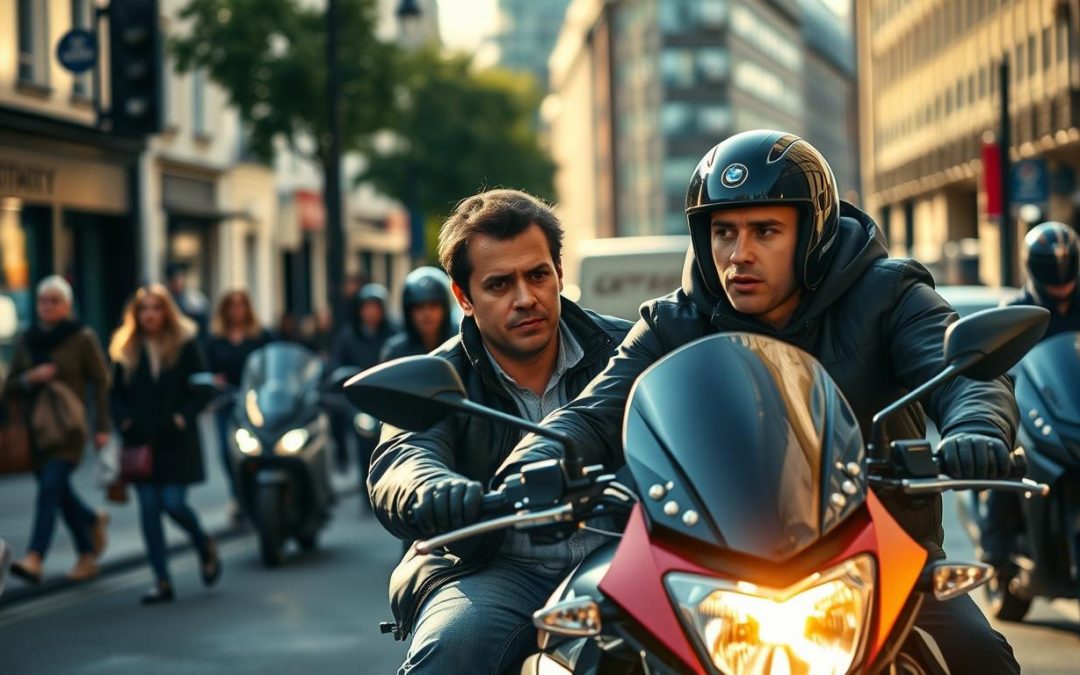
Ready to start your two‑wheeled journey in London? This intro cuts through the guesswork and shows how many sessions most people need to move from zero to confident on the capital’s streets.
We focus on practical progress. Good training combines short, focused sessions with occasional longer days so you build skill without feeling rushed.
Many UK schools include essential safety kit like helmets, jackets and gloves for hire, though bringing your own can improve fit and comfort. The largest providers follow safety‑first paths from CBT to full licences and tailor routes to different riders.
Throughout this article you will learn how to book the right starting point, avoid overbuying packages, and plan training around work and life. By the end you’ll know roughly how many sessions typical riders need and how to keep confidence steady as you train.
Key Takeaways
- Structured training speeds progress and reduces wasted time.
- Start with short sessions, add longer days as you gain confidence.
- Bring personal kit when possible for better fit and hygiene.
- Book a clear route from CBT to test‑ready stages to plan around life.
- Providers tailor pace so new riders aren’t rushed and returning riders aren’t held back.
Start your journey: how many lessons do you actually need in London?
Start with a realistic expectation: most new riders need a full CBT day followed by several focused sessions to reach test standard. Schools in the city tailor plans to your prior experience so you do not pay for unnecessary time.
Typical lesson counts for beginners, returners and car drivers
If you are starting from scratch, expect an initial CBT day and then a handful of further training days before booking tests. Returners and car drivers with good road sense often need fewer sessions because some observation and hazard skills transfer easily.
- Beginners: CBT + 3–6 on-road days is common.
- Returners: 2–4 days to rebuild feel and control.
- Car drivers: 2–5 days depending on prior traffic experience.
Factors that change your timeline: confidence, road sense and availability
Consistency helps: back-to-back or closely spaced sessions boost retention and reduce repetition. Weather, traffic density and time of day will also change how quickly you progress, so choose quieter slots at first to build confidence.
“Book a starting session, let an instructor assess your pace, then refine how many days you need.”
Ultimately, the right plan fits your experience, budget and schedule. Book early in London to secure suitable dates and keep momentum while you train.
Motorbike Lessons that fit your goal: CBT, Direct Access and beyond
Choose a course path that matches your goals so every session builds useful skill. Whether you want to commute or tour, providers offer clear routes from basic training to high-performance coaching. Prices vary by format and machine size, so plan around your aims and budget.

Compulsory Basic Training (CBT): your first day on two wheels
Compulsory basic training is the legal starter. A typical CBT day costs from about £180 and covers controls, safety briefings and on-road practice so you can ride a 125cc on L‑plates.
Direct Access (DAS): moving up the cc ladder to a full motorcycle licence
Direct access routes prepare you for a full motorcycle licence. Split test courses start from roughly £790 and focus on bigger machines and advanced roadcraft.
Fast Track options for experienced riders
Fast Track courses condense essential modules into consecutive days. These intensive courses cost from about £690 and end with tests for experienced returners.
Advanced riding and PROskills for post-test mastery
Post‑test options sharpen cornering, observation and overtaking. Advanced training starts near £200; PROskills ranges from £99 (intro) to £598 (advanced).
“A good instructor builds confidence at your pace and recommends only the days you need.”
- Choose the course that fits your goals and schedule.
- Instructors assess individuals and tailor training to avoid wasted time.
CBT explained: what’s covered, how long it takes, and when you’ll pass
Compulsory basic training combines practical drills and supervised road time into a single day so you gain useful control and safe habits.
Pre‑CBT confidence sessions and what to practise
If you feel nervous, short pre‑CBT sessions are available from about £40 per hour. One or two hours on balance, clutch work and braking can lift your confidence.
On‑site training vs on‑road riding during CBT
A standard CBT day blends safety briefings, on‑site manoeuvres and a supervised on‑road ride.
- On‑site drills focus on moving off, stopping, gears, figure‑eights and emergency stops to build bike familiarity.
- On‑road time practises mirrors, shoulder checks, positioning and hazard perception under your instructor’s guidance.
- You complete the day when you show consistent safe control — it’s not a pass/fail exam in the usual sense.
“Good instructors adapt the pace. If you need more slow control practice, they will spend extra time before going out on the road.”
| Element | What to expect | Why it helps |
|---|---|---|
| Safety brief | Rules, kit and basic controls | Sets clear expectations and reduces anxiety |
| On‑site drills | Move off, stop, gears, figure‑eights, emergency stop | Builds low‑speed control and confidence |
| Supervised road ride | Short urban routes with live coaching | Applies skills in real traffic with instructor feedback |
From theory to test day: Module 1 and Module 2 training pathways
A clear training pathway bridges your theory study and the practical exercises you must perform under test conditions. This stage turns classroom learning into repeatable performance so you arrive calm and prepared.
Module 1 skills: slow control, manual handling and precision
Module 1 focuses on manual handling in an off‑road area. Practice wheeling the bike, slalom, figure of eight, U‑turns, controlled stops and emergency stops.
Precision matters: controlled speed and accurate steering reduce errors on the day.
Module 2 skills: real-road riding with radio guidance
Module 2 moves you onto live roads with radio guidance from the examiner. You will demonstrate normal stops, angle starts, junction discipline and safe overtakes.
How many training days before booking your tests
Most riders benefit from separating early practice sessions from final polishing days. Include a mock Module 1 and a full Module 2 run to expose last-minute tweaks.
Instructors will recommend when to book so your control and observation habits are steady enough to pass.
| Module | Focus | Key drills |
|---|---|---|
| Module 1 | Off‑road control | Slalom, U‑turn, emergency stop |
| Module 2 | On‑road riding | Normal stops, angle starts, observation |
| Course prep | Mock tests | Precision drills + progressive traffic |
“A realistic mock test cuts nerves and highlights final tweaks.”
Build skills faster with targeted sessions in London
Short, targeted sessions can accelerate progress and slot easily around work or study. These quick options are ideal if you want practical gains without booking full training days. They focus on the exact skills that help in London traffic.
Try Ride taster: find out if motorcycling is for you
A Try Ride costs about £40 for a one‑hour taster. That includes kit and guided first controls on a 50cc or 125cc. It’s a friendly, low‑cost way for riders to feel throttle, brakes and balance before committing to more training.
TfL-funded 1-2-1 Motorcycle Skills and Beyond CBT for delivery riders
Free TfL-funded coaching offers two great options for Londoners. The 1-2-1 Motorcycle Skills course gives personalised coaching at no charge to those who live, work or study in any borough. It suits riders with a full licence or a current CBT.
Beyond CBT: Skills for Delivery Riders targets delivery professionals. This free course builds urban routines like filtering discipline, junction positioning and visibility—practical habits that cut risk in busy streets.
- These short sessions are perfect to book online and slot between paid training days.
- Targeted refreshers tidy up bad habits and boost confidence before formal tests.
- Combining tasters and funded coaching with your main motorcycle training can reduce the number of paid days you need overall.
“A few focused hours on small bikes or scooters improve clutch feel, slow control and lifesavers—skills that pay off immediately.”
Costs, kit and booking: plan your course with confidence
Knowing what’s included and what you must buy keeps surprise bills to a minimum. Budget clearly and you will pick the right package for your schedule and skill level.

Indicative prices
Typical figures to guide your planning: Try Ride ~£40 (1 hour), Pre‑CBT ~£40/hr, CBT from £180, Theory Test £23, DAS split course from £790 and Fast Track from £690.
What’s usually included
Many providers supply helmets, jackets, gloves and boots free for training days. Bringing your own gloves and boots can improve comfort and control.
If you do not own motorcycles yet, school fleets mean you can start now and choose a personal bike later.
How to book online and choose dates
When you book online, line up theory, training and test dates to keep momentum. Pick consecutive days if you learn fast, or spread sessions if you prefer time to practise between dates.
Read rescheduling terms, check test fees and confirm bike hire in writing before you pay. If you aim for a licence this season, plan backwards from your target date and secure slots early to avoid London peak times.
- Tip: Short refreshers (Pre‑CBT) reduce the number of full training days you’ll need.
- Tip: Compare course inclusions so you can book the best‑value package without hidden extras.
“Plan your bookings, know what’s included, and you’ll keep costs predictable while you train.”
Why train with accredited instructors: safety, service and support
An accredited provider turns scattered practice into steady progress, so you gain useful experience faster. Structured motorcycle training means each hour builds on the last and keeps safety central to learning.
Accredited instructors follow proven methods that emphasise steady learning over risky shortcuts. Large UK schools pair clear progression with enjoyable teaching, while family-run outfits (some operating since 2009) add consistency and a community feel.
Experienced instructor teams spot small faults early — mirror routines, clutch bite or body position — and correct them before they become habits. That focused feedback saves time and reduces test-day nerves.
Benefits you’ll notice:
- Structured training plans and radio-guided demo rides.
- Free loan kit and well-maintained motorcycles for safe starts.
- Ongoing support, from advanced courses to community rides that keep skills sharp.
“Choose quality over price: the right instructor often means fewer days to reach your goal.”
Good instructors help riders build confidence and freedom on the road. That blend of structure and encouragement makes learning more efficient and more enjoyable.
Conclusion
A clear plan makes the journey to a full licence in London straightforward. Start with a taster or CBT, add focused training days and slot in mock runs so each test feels like the next step, not a leap.
Focus on core skills on site, then practise on real road routes to build confidence. Use TfL-funded coaching and targeted courses to tighten weak spots and reduce paid days.
Lock in dates, book a qualified provider and keep short refreshers between sessions. With steady practice you’ll pass more easily and enjoy the freedom of two wheels — from daily commutes to weekend rides.