
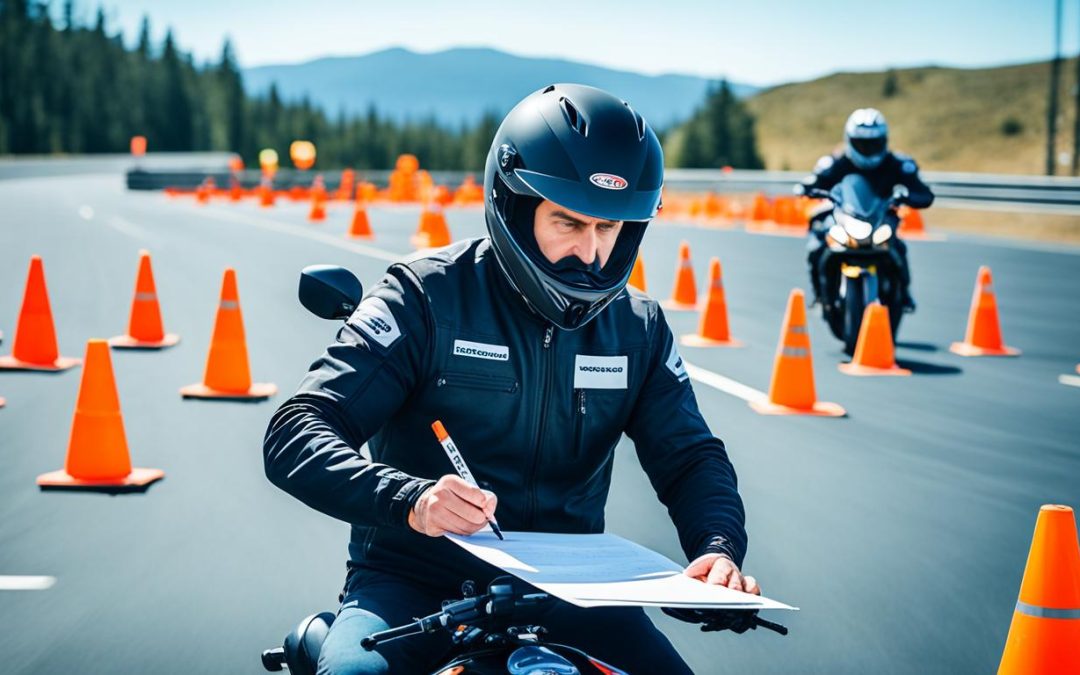
For many riders, preparing for and taking the practical motorcycle exam is the most nerve-wracking time spent on a motorcycle. Failing the test and having to rebook it can be soul-destroying. However, most fails are due to simple errors caused by riders not thinking clearly. This article provides expert tips and tricks to help readers ace their motorcycle test in North London.
Key Takeaways
- Familiarise yourself with the local test route and training centre in North London.
- Ensure you have the appropriate riding gear and are well-rested before the motorcycle test.
- Focus on mastering common test manoeuvres like the U-turn and high-speed hazard avoidance.
- Maintain a safe following distance and obey speed limits during the Mod 2 test.
- Passing the CBT course is the first step towards successfully completing your motorcycle test.
Before You Take Your Motorcycle Test
Preparing for your motorcycle test is crucial to ensuring a smooth and successful experience. Before the big day, it’s important to familiarise yourself with the test route, gather the appropriate riding gear, and manage your nerves to stay calm and focused.
Know Your Enemy
The first step in acing your motorcycle test is to know the route the examiner will take you on. Most reputable motorcycle training centres in the local area will have a good understanding of the roads used by the Driver and Vehicle Standards Agency (DVSA) test station. Booking an additional lesson to ride these routes can be incredibly beneficial, as it will help you become comfortable with the test environment and the specific manoeuvres required.
Get Kitted Out
Turning up to your motorcycle test in inappropriate or unsuitable clothing and gear can leave a poor impression on the examiner. Check the weather forecast and dress accordingly, ensuring your helmet and gloves are a good fit and suitable for the prevailing conditions. While jeans and a hoodie may be acceptable, arriving in smart, motorcycle-specific attire will demonstrate your commitment to safety and professionalism.
Try and Relax
Being overly caffeinated or anxious on the morning of the test can make you feel very nervous, which can adversely affect your performance. To combat this, it’s recommended to wake up early, have a nutritious breakfast, and bring some healthy snacks with you. This will help you stay calm, focused, and alert throughout the exam, allowing you to showcase your riding skills to the best of your ability.

How to Pass Your Motorcycle Test First Time
Passing your motorcycle test on the first attempt can be a daunting prospect, but with the right preparation and approach, it’s certainly achievable. Let’s explore the key areas you’ll need to focus on to ace your Mod 1 and Mod 2 tests with flying colours.
Mod 1 Test
The Mod 1 test is the first part of the practical riding exam, taking place in a large tarmacked area at the test centre. It covers everything from moving the bike on foot to hazard avoidance. Common fails include missing shoulder checks, struggling with the U-turn, and not maintaining a minimum speed during high-speed manoeuvres.
Missing a Shoulder Check
Failing to perform a shoulder check before moving the bike can result in a minor fault. Even though it may seem pedantic, it’s a crucial habit to develop, as missing a shoulder check could push you over the five-fault limit and cause a fail.
The U-Turn
The U-turn is a common challenge for many new riders. The key is to practice extensively, ideally on the same bike used for the test. Maintain good speed control, slipping the clutch and using the back brake to balance the bike. Remember to perform a shoulder check before and during the turn.
Maintain a Minimum Speed
For the high-speed manoeuvres, such as the hazard avoidance and emergency stop, you must reach a minimum speed of 32mph through the speed trap. Listening to the engine and learning the sound of the bike in second gear at 33mph can help you focus on the task rather than constantly checking the speedometer.
Your Motorcycle Test
When it comes to the motorcycle test, riders in North London can expect a comprehensive assessment of their skills and knowledge. The test format is divided into two main components: the Mod 1 and Mod 2 exams.
The Mod 1 test takes place in a designated off-road training area at the local DVSA (Driver and Vehicle Standards Agency) test centre, likely located in North London. This section focuses on the rider’s ability to handle the motorcycle, including manoeuvres such as hazard avoidance, emergency stops, and the ever-challenging U-turn.
After successfully completing the Mod 1 test, riders will progress to the Mod 2 exam, which takes place on the public roads. This part of the exam format evaluates the rider’s ability to navigate real-world traffic conditions, obey traffic laws, and demonstrate safe riding practices.
Throughout the motorcycle test, examiners will be assessing the rider’s overall competence, decision-making, and adherence to the rules of the road. By thoroughly preparing for both the Mod 1 and Mod 2 components, riders can increase their chances of passing the test and obtaining their motorcycle licence in North London.
Mod 2 Test
The Mod 2 test is the final hurdle in your journey to obtaining a full motorcycle licence. This on-road assessment takes place on the public roads, challenging your ability to navigate a variety of driving scenarios with confidence and safety.
The Independent Ride
After leaving the test centre, the examiner will often ask you to follow signs to a specific location, testing your route following skills. While making the occasional wrong turn is not a major issue, it’s crucial to focus on how you handle your motorcycle and interact with the road. Maintain awareness of your surroundings, adhere to road markings and signals, and demonstrate your ability to ride independently.
Following Another Vehicle Too Closely
Maintaining a safe following distance is essential during the Mod 2 test. Aim for a minimum two-second gap to the vehicle in front, counting “one hundred, two hundred” as the vehicle ahead passes a fixed object. Failing to maintain a safe following distance can result in a fault, or even a rear-ending collision if the situation escalates. Practise this skill during your training rides to develop good habits.
Not Turning Off Your Indicator
Leaving an indicator on after a manoeuvre is a common mistake that can result in minor or major faults. The examiner will be watching for you to turn off the indicator once the manoeuvre is complete. Develop the habit of regularly checking your indicators and turning them off after each turn or lane change to avoid this pitfall.
Not Obeying the Speed Limit
Adhering to the correct speed limits is crucial during the Mod 2 test. Be aware of speed limit signs and try to match the pace of other traffic, such as buses, which typically stick to the legal speed. Verbally calling out each speed limit sign can help commit the information to memory and demonstrate your speed limit awareness to the examiner.
Nail Your Roundabouts
Navigating roundabouts correctly is a key skill tested during the Mod 2 exam. Choose your lane early, make appropriate shoulder checks, and signal your intentions clearly. For left turns, position your bike in the left lane; for right turns, use the right lane. Performing a final shoulder check before exiting the roundabout is also crucial to ensure a safe and confident manoeuvre.

Conclusion
By following the expert tips and techniques outlined in this article, we can significantly increase our chances of passing the motorcycle test in North London on the first attempt. From preparing mentally and physically before the exam to mastering the specific manoeuvres and road scenarios, this guide provides a comprehensive set of strategies to help us ace the motorcycle test and embark on our two-wheeled adventures with confidence.
The key is to thoroughly familiarise ourselves with the local test routes, ensure we’re equipped with the appropriate riding gear, and manage our nerves on the day of the test. By diligently practising the crucial skills, such as shoulder checks, U-turns, and speed control, we can confidently navigate the Mod 1 and Mod 2 exams and demonstrate our proficiency as responsible and skilled motorcycle riders.
Ultimately, with the right preparation and a focus on safety, we can successfully navigate the motorcycle test in North London and take the first steps towards an exhilarating and rewarding journey on two wheels. By following the guidance provided in this article, we can maximise our chances of passing the test and embarking on our two-wheeled adventures with the necessary skills and confidence.