
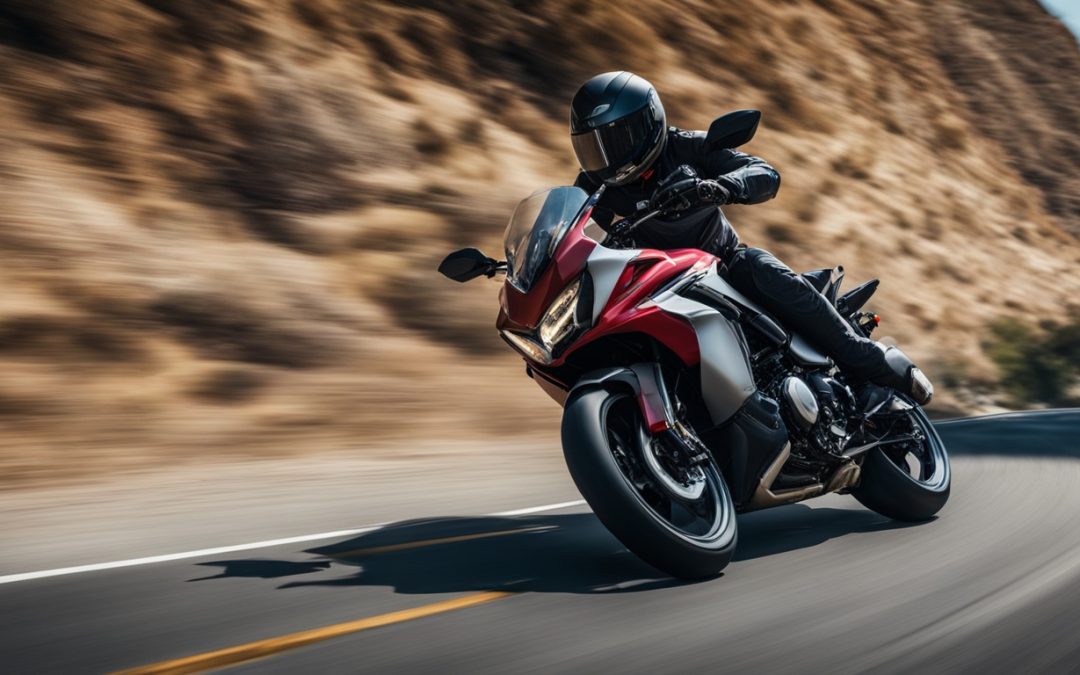
As we embark on our journey to master the art of motorcycle riding, we recognise that it can be an exhilarating yet daunting experience, especially for beginners. This comprehensive guide is designed to equip you with the essential knowledge and skills to conquer the two-wheeled adventure. Whether you’re a novice rider or looking to refine your techniques, we will cover a wide range of topics, from familiarising yourself with the primary and secondary controls to implementing effective defensive riding strategies.
Throughout this guide, we will delve into the correct sequence for firing up your motorcycle, mastering the intricacies of clutch control and the friction zone, perfecting the art of gear shifting, and applying smooth braking techniques. Additionally, we will address the crucial aspects of building riding confidence and skill, overcoming initial fears and anxieties, practising in controlled environments, and transitioning to real-world riding scenarios.
Recognising the importance of motorcycle maintenance, we will also provide invaluable insights on pre-ride inspections and basic troubleshooting, empowering you to keep your bike in top condition and ride with unwavering confidence.
Key Takeaways
- Familiarise yourself with the primary and secondary motorcycle controls
- Understand proper riding posture and seating position for optimal control
- Select the right protective gear to enhance safety and confidence
- Master clutch control and the friction zone for smooth starts and gear changes
- Develop effective braking techniques to stop your motorcycle smoothly
- Practice in controlled environments to build your riding skills and confidence
- Maintain your motorcycle through regular inspections and basic troubleshooting
Mastering the Motorcycle Fundamentals
To become proficient riders, it’s essential that we familiarise ourselves with the primary and secondary controls on a motorcycle, as well as understand the importance of proper riding posture and seating position. By mastering these fundamental aspects, we can develop the necessary skills and confidence to navigate the roads safely and confidently.
Get Acquainted with the Primary Controls
The five primary controls on a motorcycle are the throttle, front brake lever, rear brake lever, clutch lever, and shift lever. The throttle controls the engine speed, allowing us to accelerate or decelerate the motorcycle. The front and rear brake levers activate the respective brakes, enabling us to slow down or stop the bike. The clutch lever disconnects the engine power from the rear wheel, making it easier to start, stop, and change gears. Finally, the shift lever is used for seamlessly shifting up and down through the gears.
Understanding Secondary Controls and Instrumentation
In addition to the primary controls, motorcycles also feature a range of secondary controls and instrumentation that enhance our riding experience and safety. These include the dashboard, mirrors, turn signal switch, high/low beam switch, horn, kill switch, and starter button. The dashboard typically displays a speedometer, tachometer, and neutral indicator, providing us with vital information about the bike’s performance and status. Mirrors help us monitor the surroundings and identify potential hazards, although we must be mindful of their blind spots and supplement them with regular shoulder checks.
Proper Riding Posture and Seating Position
Adopting the correct riding posture and seating position is crucial for maintaining control, comfort, and safety on the motorcycle. We should sit upright with our shoulders back, keeping our head up and our eyes focused on the road ahead. Our feet should be firmly positioned on the foot pegs, ready to be placed on the ground when needed. This balanced and engaged riding position allows us to react quickly to changing road conditions and manoeuvre the bike with precision.
Safety First: Gear Up for Confidence
When riding a motorcycle, safety is our utmost priority. Equipping ourselves with the right protective gear is essential for building confidence and mitigating the risks on the road. A full-face helmet, a sturdy jacket with impact-absorbing padding, reinforced trousers, gloves, and sturdy boots are the key elements of proper motorcycle protective gear. These items can safeguard us in the event of a crash or collision, helping to minimise injuries and protect our body.
Selecting the Right Protective Gear
Choosing the appropriate motorcycle protective gear is crucial for our safety and comfort. A high-quality helmet should fit snugly around our head, providing optimal protection and visibility. Jackets and trousers with reinforced panels and impact-absorbing materials can shield us from abrasions and collisions. Sturdy, ankle-supporting boots and durable gloves complete the ensemble, ensuring our extremities are well-protected.
Defensive Riding Strategies for Beginners
As beginner riders, developing defensive riding strategies is key to staying safe on the roads. Constantly scanning our surroundings, anticipating the actions of other road users, and being prepared to take evasive action when necessary are essential skills. Maintaining a safe following distance and being aware of our blind spots can also help us navigate traffic with confidence.
Cultivating defensive riding habits, such as being vigilant, predicting potential hazards, and leaving ample space between ourselves and other vehicles, can empower us as beginner riders. By mastering these strategies, we can feel more in control and confident when navigating the streets on our motorcycles.

Master Motorcycle Riding: From Start to Mastery
Mastering the art of motorcycle riding begins with the fundamentals. One of the essential skills to conquer is the correct sequence for firing up your motorcycle. To start your bike, first turn the key to the ON position, ensure the motorcycle is in neutral, and then press the starter button. It’s crucial to never start the bike in gear, as this can cause the motorcycle to lurch forward unexpectedly, potentially leading to a hazardous situation.
Clutch Control and Friction Zone Mastery
Closely linked to starting a motorcycle is the mastery of clutch control and the friction zone. This delicate balance between the clutch lever and the throttle is crucial for smooth starts and seamless gear changes. As you slowly release the clutch lever while gradually applying throttle, you’ll find the point where the clutch and engine power are balanced, allowing the motorcycle to move forward effortlessly.
Shifting Gears Like a Pro: Upshifting and Downshifting
Shifting gears with precision is another essential skill for motorcycle riders. Upshifting and downshifting require the coordination of the clutch, throttle, and shift lever. For an upshift, roll off the throttle, pull the clutch lever, and firmly press the shift lever up. For a downshift, the process is similar, but the shift lever is pressed down instead.
Braking Techniques for Smooth Stops
Effective braking techniques are crucial for safe and controlled stops. Riders should use both the front and rear brakes, with approximately 70% of the braking force coming from the front brake and 30% from the rear. Avoid sudden, heavy braking, as this can cause the wheels to lock up and lead to a loss of control. By mastering these braking techniques, you’ll be able to bring your motorcycle to a smooth and controlled stop, instilling confidence in your riding abilities.
Building Riding Confidence and Skill
As budding motorcyclists, we often face the initial hurdle of overcoming fears and anxieties. It’s common to worry about maintaining balance, controlling the machine, and potential crashes. However, conquering these mental obstacles is crucial for developing the confidence and skill necessary to become proficient riders.
Overcoming Initial Fears and Anxieties
To overcome our initial riding fears and anxieties, we must acknowledge and address them head-on. Practising mindfulness techniques, such as deep breathing exercises, can help us stay grounded and focused. Additionally, seeking guidance from experienced riders or attending training sessions can provide the reassurance and skills we need to build our confidence on the motorcycle.
Practicing in Controlled Environments
One of the most effective ways to develop our motorcycle skills and gain confidence is by practising in controlled environments. This could involve riding in empty parking lots or designated training areas, where we can experiment with manoeuvres, practice clutch control, and become more comfortable with the bike’s handling without the added pressures of real-world traffic.
Advancing to Real-World Riding Scenarios
As our skills and confidence grow, we can gradually transition to riding in real-world scenarios. This step-by-step approach allows us to navigate different road conditions, traffic patterns, and weather challenges, ultimately building the necessary experience to become proficient and safe motorcyclists. By mastering overcoming riding fears, practising motorcycle skills, and gradually advancing to real-world riding, we can confidently embrace the thrill and freedom of the open road.

Motorcycle Maintenance Essentials
Maintaining your motorcycle in top condition is crucial for ensuring its safety, longevity, and optimal performance. In this section, we’ll explore the essentials of pre-ride inspections and basic maintenance, equipping you with the knowledge to keep your two-wheeled companion running smoothly.
Pre-Ride Inspections and Checklist
Before each ride, it’s vital to conduct a thorough motorcycle pre-ride inspection. This process involves checking critical components such as the tyres, brakes, lights, mirrors, and other key systems to identify any potential issues. By taking a few minutes to perform this essential check, you can enhance your riding safety and prevent unexpected breakdowns on the road.
Basic Maintenance and Troubleshooting
Regular motorcycle maintenance is the key to keeping your bike in top condition. This includes tasks such as oil changes, tyre rotations, and a thorough cleaning of your machine. Additionally, it’s important to familiarise yourself with common motorcycle troubleshooting techniques, such as addressing electrical system problems or dealing with a flat tyre. By mastering these basic maintenance and troubleshooting skills, you can ensure your motorcycle’s longevity and ride with confidence, knowing that your bike is well-cared for.
Maintaining your motorcycle through regular inspections, basic maintenance, and troubleshooting skills is essential for keeping your bike in top condition, preventing breakdowns, and riding with confidence and safety.
Conclusion
In conclusion, this comprehensive guide has provided beginner riders with the essential knowledge and skills to master the art of motorcycle riding. From familiarising themselves with the primary and secondary controls, to selecting the right protective gear, mastering clutch control and gear shifting, and developing effective braking techniques, readers now have a solid foundation to build their riding confidence and skills.
By practising in controlled environments and gradually transitioning to real-world scenarios, beginner riders can overcome their initial fears and anxieties, ultimately becoming safe and proficient motorcyclists. Additionally, the guide has emphasised the importance of proper motorcycle maintenance, including pre-ride inspections and basic troubleshooting, to ensure the longevity and optimal performance of their bikes.
With the information and strategies provided in this article, readers are now well-equipped to embark on their two-wheeled journey and experience the thrill and freedom of mastering motorcycle riding. We encourage our readers to apply these principles diligently, prioritise safety, and embrace the exciting world of motorcycling with confidence and skill.