
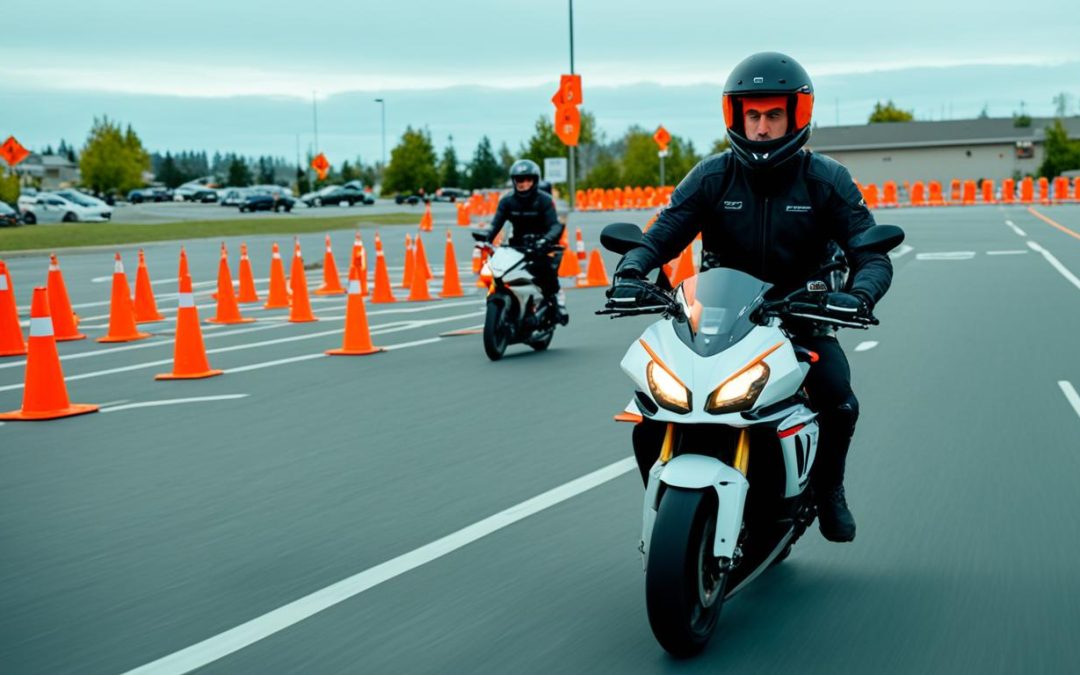
The journey to obtaining a full motorcycle licence in the UK begins with Compulsory Basic Training (CBT). This essential first step equips new riders with the fundamental skills and knowledge required to safely operate a motorcycle on public roads. Our article will guide you through the progressive approach to acquiring a full bike licence, including the various licence categories, the Direct Access Scheme (DAS) for accelerated training, and the importance of continual skill development for licensed riders. Whether you’re a complete beginner or looking to upgrade your riding credentials, this comprehensive guide will ensure you understand the motorcycle training path in the UK.
Key Takeaways
- The journey to a full motorcycle licence starts with Compulsory Basic Training (CBT)
- The UK’s motorcycle licensing system follows a progressive approach, allowing riders to gradually build their skills
- The Direct Access Scheme (DAS) offers an intensive training course for riders over 24 to obtain a full licence
- Continual skill development through advanced training courses is crucial for safer and more confident riding
- Understanding the motorcycle training path in the UK is the first step towards unleashing your passion for two-wheeled exploration
The Journey to Motorcycle Freedom Begins with CBT
Compulsory Basic Training (CBT) is the mandatory first step for anyone wanting to ride a moped or motorcycle on UK roads. The CBT course is a practical, hands-on motorcycle training programme designed to equip new riders with the fundamental skills of safe road riding skills. During the training, which typically lasts for a full day, participants will learn about bike controls, road awareness, and get their first taste of on-road riding. There are no written exams or practical tests involved; instead, an experienced instructor will assess the rider’s ability to safely handle a motorcycle.
Preparing for your CBT course by dressing appropriately, getting ample rest, and bringing enthusiasm is key to a smooth experience. Selecting the right CBT instructor, one with experience, patience, and a supportive teaching style, is crucial as they will lay the foundation for the rider’s entire motorcycling journey.
What is Compulsory Basic Training (CBT)?
Compulsory Basic Training (CBT) is the essential first step for anyone looking to ride a moped or motorcycle on the roads in the UK. This hands-on training programme equips new riders with the fundamental skills and knowledge required to operate a motorcycle safely in North London and beyond.
Preparing for Your CBT Course
To ensure a successful and stress-free CBT experience, it’s important to prepare thoroughly. This includes dressing appropriately for the practical elements, getting enough rest, and approaching the training with enthusiasm and an open mind. By being ready both physically and mentally, new riders can make the most of their CBT and lay the groundwork for their entire motorcycling journey.
Choosing the Right CBT Instructor
Selecting the right CBT instructor is crucial, as they will play a pivotal role in shaping the new rider’s skills and confidence. Look for an instructor with extensive experience, a patient teaching style, and a genuine passion for helping riders develop their road riding skills and motorcycle safety. The right instructor can make all the difference in laying the foundation for a lifetime of safe and enjoyable riding.
Hitting the Road with Your CBT Certificate
Once the CBT certificate is successfully obtained, riders are ready to take to the roads. However, this initial certification comes with specific limitations and responsibilities that must be observed. As new riders, we must display “L” plates (Learner plates) on our motorcycles, clearly indicating to other road users that we are still developing our skills and confidence.
Limitations and Restrictions of a CBT Certificate
One of the key restrictions for CBT certificate holders is the prohibition on motorway riding. We must confine our journeys to other roads until we progress further in our motorcycle journey and obtain additional licences. Additionally, we are not permitted to carry pillion passengers, as the focus should be on honing our individual riding skills and building our riding confidence.
Embracing the Ride: Safety, Confidence, and Enjoyment
Despite these motorcycle restrictions, the CBT certificate represents the start of an exciting adventure. Every ride we take is an opportunity to improve, gain confidence, and master the art of motorcycle control. Safety, confidence, and enjoyment should be the guiding principles as we embrace the thrill of the open road and strive to become responsible, skilled, and safe on the road riders.

The Progressive Approach: Stepping Stones to a Full Bike Licence
The UK’s motorcycle licensing system follows a progressive approach, allowing riders to gradually work their way up to a full bike licence. This step-by-step process is designed to align the rider’s experience and maturity with the appropriate level of power and capability.
AM Licence: Your First Step on Two Wheels
At age 16, riders can obtain an AM licence, which permits the use of mopeds, small motorcycles, and scooters with a maximum speed of 28 mph (45 km/h) and an engine size of around 50cc. This entry-level licence provides a safe and responsible introduction to the world of motorcycle riding.
A1 Licence: Building Confidence and Skill
The next step is the A1 licence, available from age 17, which allows riding of motorcycles with a maximum power output of 11 kW (about 15 bhp). This intermediate licence gives riders the opportunity to develop their skills and confidence on a larger machine, while still maintaining a reasonable level of power and control.
A2 Licence: Unlocking a Broader Range of Bikes
The A2 licence, for those aged 19 and above, grants access to motorcycles with up to 35 kW (around 47 bhp or 500 to 700cc). This licence category represents a significant milestone, as it allows riders to experience the thrill of more powerful motorcycles while still maintaining a level of safety and control.
A Licence: The Pinnacle of Motorcycle Riding
Finally, the pinnacle is the A licence, which can be obtained at age 24 or after two years with an A2 licence. This licence unlocks the ability to ride motorcycles of any size and power, providing riders with the freedom to explore the full potential of their passion for two-wheeled exploration.
This progressive approach ensures riders build their competence and confidence incrementally, minimising the risk of getting in over their heads too early in their motorcycling journey.
CBT to Full License: The Direct Access Scheme
For riders over the age of 24 who are eager to fast-track their path to a full bike licence, the Direct Access Scheme (DAS) is an attractive option. The DAS training provides an intensive and focused course that equips riders with the skills and knowledge required to safely handle larger and more powerful motorcycles.
Tailored Training for Your Experience Level
The training is tailored to the individual’s experience level, taking into account any previous riding background. This customised approach ensures each rider gets the most out of the training, whether they are a complete beginner or have some experience under their belt. The length of the DAS training varies, as it is dependent on the rider’s progress and comfort level. Typically, the training spans several days, allowing ample time to become confident and competent on bigger bikes.
Flexibility in Choosing Your Licence Category
Additionally, DAS trainees do not have to go straight for a full bike licence; they can opt for an interim step, such as an A1 or A2 licence, if that better suits their needs and experience level. This flexibility allows riders to progress at their own pace, building the necessary skills and confidence before tackling the challenges of a full licence.

Beyond the Licence: Continual Improvement as a Motorcyclist
Obtaining a full bike licence is not the end of the journey, but rather the beginning of a lifelong pursuit of improvement and skill refinement. Even the most experienced riders can benefit from continual skill development, as every riding experience presents new challenges, scenarios, and road conditions. Enhancing one’s motorcycle skills can lead to better hazard perception, improved machine control, and increased confidence on the road – all of which can be literal lifesavers when faced with unexpected situations. Some insurance providers even offer discounts to riders who have completed advanced training courses, recognising the value of continual skill improvement.
Why Continual Skill Development Matters
Motorcycling is a dynamic and ever-evolving pursuit, demanding constant attention, focus, and the willingness to learn. As riders navigate different road conditions, traffic situations, and weather patterns, the ability to adapt and refine their skills becomes increasingly crucial. By continuously honing their motorcycle skill development, riders can enhance their safety, confidence, and overall enjoyment of the riding experience.
Advanced Motorcycle Training Courses
To go beyond the basics of licensed riding, riders can enrol in advanced training programmes, such as the Enhanced Rider Scheme (ERS) and Rider Plus courses, which are designed to elevate their riding proficiency. These courses, taught by DVSA-approved instructors, focus on honing existing skills and addressing specific areas for improvement, helping riders become more skilled, adaptable, and responsive on the road.
Enhancing Your Riding Skills with Phoenix Motorcycle Training
At Phoenix Motorcycle Training, the commitment to helping riders continuously enhance their skills is a core part of the company’s mission. With a team of experienced and knowledgeable instructors, Phoenix Motorcycle Training offers a range of advanced training courses tailored to the needs of both new and experienced riders. By participating in these programmes, our clients can unlock their full potential, developing the expertise and confidence to enjoy the thrill of motorcycling to the fullest.
Conclusion
The journey from Compulsory Basic Training (CBT) to a full motorcycle licence in the UK is an exciting and rewarding adventure. This comprehensive guide has explored the progressive steps riders must take, from the essential CBT course that unlocks the initial freedom to ride, to the various licence categories that gradually open up more powerful and capable machines. For those seeking to accelerate their path, the Direct Access Scheme provides a tailored training programme to obtain a full bike licence.
Ultimately, the pursuit of motorcycling mastery is an ongoing process, with continual skill development and advanced training courses playing a crucial role in becoming a safer, more confident, and more competent rider. Whether you’re a complete beginner or an experienced rider looking to enhance your skills, understanding the motorcycle training path in the UK is the first step towards unleashing the full potential of your passion for two-wheeled exploration.
The CBT to full licence journey is not merely a box-ticking exercise, but a transformative experience that empowers riders to truly embrace the thrill and freedom of motorcycling. By following the UK motorcycle licensing system, riders can progress at their own pace, building the necessary skills and confidence to navigate the roads with proficiency and safety.