
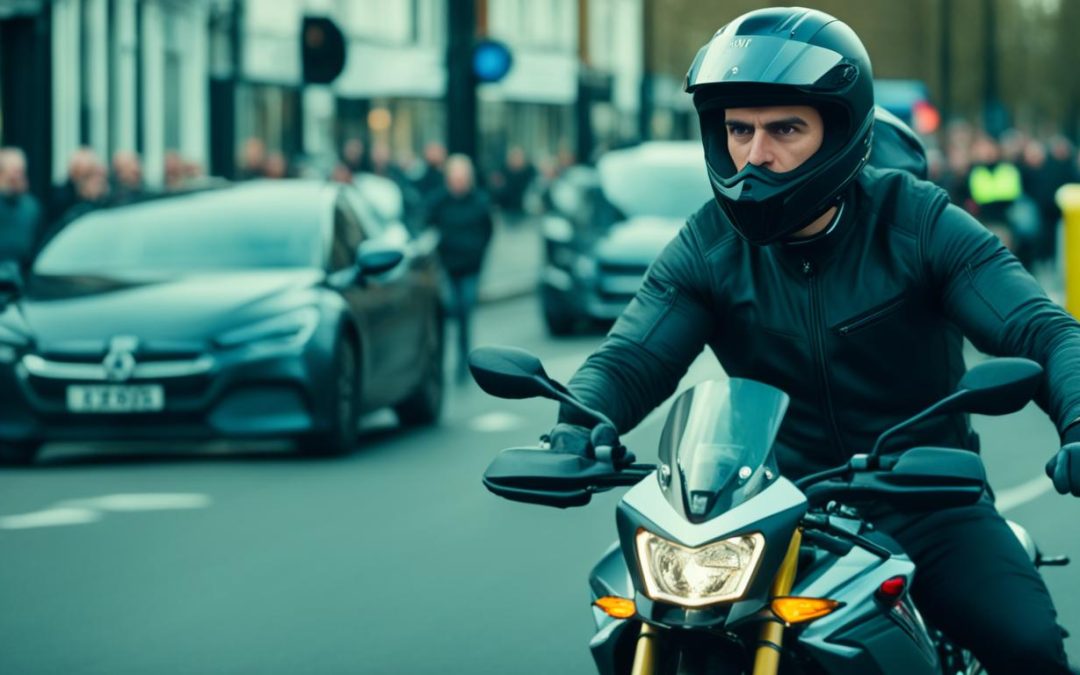
We take motorcycle safety seriously and are committed to ensuring motorcyclists stay safe on London’s roads. Preparing for your Compulsory Basic Training (CBT) is essential before riding a motorcycle or scooter. This free, short online course will help you feel more prepared and confident on the day, covering critical information from the Highway Code such as road positioning, traffic signs, and correct behaviour at junctions and roundabouts. The course can be completed on computer, tablet or mobile device.
Key Takeaways
- Complete the Compulsory Basic Training (CBT) course to prepare for riding in North London traffic
- Familiarise yourself with road positioning, traffic signs, and junction etiquette from the Highway Code
- Take the CBT course on your computer, tablet or mobile device for convenience
- Ensure you have the right motorcycle licence category for the bike you intend to ride
- Always wear a properly fitted helmet and other protective gear when riding your motorcycle
Motorcycle Training and Licensing Requirements
To ride a motorcycle or scooter of any type, you must first obtain a provisional licence and complete a Compulsory Basic Training (CBT) course. The CBT is a free, short online course that helps prepare you for the day, covering essential information from the Highway Code.
Compulsory Basic Training (CBT)
The CBT course is designed to provide you with the fundamental skills and knowledge needed to ride a motorcycle or scooter safely on UK roads. During the course, you’ll learn about traffic signs, road positioning, and proper riding techniques, ensuring you feel confident and prepared for the practical aspect of the training.
Approved Training Providers
There are numerous approved training providers across North London and the surrounding areas that offer CBT courses. These accredited instructors are qualified to deliver the training and assess your readiness to ride. We recommend researching local options and booking your CBT session well in advance to secure your preferred date and time.
Motorcycle Licence Categories
Depending on your age and the size of the motorcycle you wish to ride, you may need to progress through different licence categories. The CBT course allows you to ride a motorcycle or scooter up to 125cc, but to operate larger machines, you’ll need to pass the appropriate practical and theory tests. Our team can provide guidance on the specific licence requirements for your needs.
| Licence Category | Engine Size | Minimum Age |
|---|---|---|
| AM | Up to 50cc | 16 years |
| A1 | Up to 125cc | 17 years |
| A2 | Up to 47bhp | 19 years |
| A | Unlimited | 24 years |
Personal Protective Equipment and Gear
When it comes to motorcycle safety, the importance of wearing the right protective equipment cannot be overstated. Helmets are required by law and must be worn at all times when riding a motorcycle. The SHARP (Safety Helmet Assessment and Rating Programme) rating system can help you choose a helmet that fits correctly and offers the best possible protection for your head.
Importance of Wearing a Helmet
A well-fitted, high-quality helmet is your first line of defence against serious injury in the event of a crash. A helmet that meets the required safety standards can significantly reduce the risk of head and brain injuries, potentially saving your life. Ensure your helmet is properly secured and replace it if it has been involved in any impact, even a minor one.
Other Recommended Protective Clothing
Although helmets are the only protective equipment required by law, it is strongly recommended that you wear other appropriate motorcycle safety gear when riding. This includes sturdy trousers, jackets, gloves and boots that are designed to provide protection for bikers. These protective clothing items can help shield your body from abrasions, impact and the elements, greatly enhancing your overall motorcycle safety.
Essential Guide to Protective Gear
When selecting your motorcycle protective equipment, look for garments and accessories that are made from durable, abrasion-resistant materials such as leather or reinforced textiles. Ensure a proper fit to maximise comfort and mobility on the bike. Additionally, consider features like impact-absorbing padding, reinforced elbows and knees, and waterproof or breathable fabrics to keep you safe and comfortable in all riding conditions.

Traffic Laws and Regulations
As motorcycle riders, it’s crucial to be aware of the various traffic regulations for bikers and legal requirements for riding a motorcycle in the UK. According to the Highway Code, certain vehicles, including motorcycles under 50cc, cyclists, horse riders, and those carrying oversized loads (except by special permission), are prohibited from using motorways.
In addition to the motorway restrictions, motorcycle laws UK stipulate that all riders must comply with the same traffic laws and regulations as car drivers. This includes obeying speed limits, signaling properly, and yielding to pedestrians and other road users. Failure to follow these rules can result in fines, points on your licence, or even the loss of your riding privileges.
It’s essential for all motorcyclists to familiarise themselves with the relevant traffic regulations for bikers and legal requirements for riding a motorcycle in their local area. By staying informed and adhering to the rules of the road, we can help ensure the safety of ourselves and other road users while enjoying the freedom and convenience of riding a motorcycle.
Riding Your Motorcycle Safely in North London Traffic
Navigating the busy streets of North London on a motorcycle requires extra vigilance and defensive riding skills. Proper road positioning and lane discipline are crucial to your safety. Resist the urge to ride along the curb like a pushbike; instead, hold your lane confidently and be aware of your position in relation to other vehicles around you.
Anticipating and Avoiding Hazards
As a motorcyclist, your ability to anticipate and avoid hazards on the road is essential. Scan the traffic ahead, looking out for potential dangers such as potholes, debris, and sudden lane changes by other drivers. Remain alert and be prepared to take evasive action if necessary to ensure your safety.
Defensive Riding Techniques
Mastering defensive riding techniques is the key to staying safe while riding your motorcycle in the congested traffic of North London. This includes maintaining a safe following distance, being extra cautious at intersections and roundabouts, and being aware of your surroundings at all times. Ride with the assumption that other road users may not see you, and be ready to react accordingly.

Motorcycle Maintenance and Inspection
Maintaining your motorcycle in peak condition is crucial for ensuring a safe and reliable riding experience, especially when navigating the busy streets of North London. Performing thorough pre-ride checks and adhering to a regular maintenance schedule are essential elements of responsible motorcycle ownership.
Pre-Ride Checks
Before every journey, it’s vital to conduct a comprehensive pre-ride inspection of your motorcycle. This includes checking the tyre pressure and condition, ensuring the chain is properly lubricated and adjusted, verifying the proper functioning of all lights, and inspecting the oil level. Taking a few minutes to thoroughly inspect your bike’s key components will give you peace of mind and help prevent any unexpected issues or breakdowns during your ride.
Regular Maintenance Schedule
In addition to the pre-ride checks, it’s recommended to follow a regular maintenance schedule for your motorcycle. This may include tasks such as changing the engine oil, adjusting the brakes, and inspecting the suspension components at recommended intervals. Staying on top of these routine maintenance tasks will not only keep your bike running smoothly but also help to extend its lifespan and maintain its roadworthiness.
Advanced Rider Training Courses
In addition to the mandatory Compulsory Basic Training (CBT), there are several advanced rider training courses available to help you become a safer, more skilled motorcyclist. These courses are designed to build upon the foundations established during the CBT, equipping you with the advanced techniques and knowledge needed to navigate the busy streets of North London with confidence.
1-2-1 Motorcycle Skills
For a more personalised learning experience, consider enrolling in a 1-2-1 rider coaching programme. These intensive training sessions, led by experienced instructors, focus on tailoring the curriculum to your individual needs and riding style. You’ll receive one-on-one guidance on advanced braking, cornering, overtaking, and other essential skills to enhance your overall confidence and safety on the road.
Beyond CBT: Skills for Delivery Riders
If you’re a delivery rider, you’ll face unique challenges in the congested North London traffic. Advanced motorcycle training courses designed specifically for delivery riders can help you develop the specialized skills needed to navigate narrow streets, perform quick manoeuvres, and maintain a high level of vigilance when transporting goods or food. These courses cover topics such as emergency braking, urban hazard perception, and efficient route planning.
BikeSafe-London Rider Skills Day
The BikeSafe-London initiative offers a popular Rider Skills Day that provides a comprehensive assessment of your riding abilities. During this one-day course, you’ll receive constructive feedback from qualified police motorcyclists, who will identify areas for improvement and offer practical guidance to help you become a safer, more confident rider. The BikeSafe-London Rider Skills Day is an excellent way to hone your skills and prepare for the challenges of riding in North London’s busy traffic.
By investing in advanced rider training, you’ll not only enhance your personal safety but also contribute to the overall safety of other road users in North London. These courses can provide you with the knowledge, skills, and confidence to navigate the capital’s roads with greater ease and vigilance.
Using Bus Lanes in North London
As motorcyclists, we have the privilege of accessing bus lanes on the Transport for London Road Network (also known as red routes). However, it’s important to note that each London borough has its own rules regarding the use of bus lanes, so it’s crucial to check the signage at the start of each lane before proceeding.
In most cases, motorcycles are permitted to use bus lanes throughout North London, allowing us to navigate the busy streets more efficiently and safely. This access can be particularly beneficial during peak traffic hours, as we can often bypass congestion by utilising the dedicated bus lanes.
| Motorcycle Access to Bus Lanes | North London Bus Lane Rules | Using Bus Lanes on a Motorcycle |
|---|---|---|
| Motorcycles are generally allowed to use bus lanes on the Transport for London Road Network. | Each London borough has its own specific rules and regulations regarding the use of bus lanes. | Motorcyclists can often bypass congestion by utilising the dedicated bus lanes, particularly during peak traffic hours. |
It’s crucial that we remain vigilant and follow all signage and traffic regulations when accessing bus lanes. Failure to do so could result in penalties or fines. By familiarising ourselves with the local bus lane rules and regulations, we can ensure a smooth and safe riding experience while navigating the busy streets of North London.
Conclusion
In conclusion, staying safe while riding your motorcycle in the busy traffic of North London requires a combination of proper training, protective equipment, and vigilant riding techniques. By completing your Compulsory Basic Training, investing in high-quality gear, obeying traffic laws, and honing your skills through advanced courses, we can navigate the capital’s roads with confidence.
The key takeaways for riding in North London include the importance of motorcycle safety tips such as being aware of your road positioning, anticipating and avoiding hazards, and maintaining your motorcycle to the highest standards. By following these guidelines, we can help ensure that all motorcyclists can enjoy the freedom and convenience of riding in the city while prioritising their safety and that of other road users.
Remember, motorcycle safety is a collective responsibility, and by working together, we can create a safer environment for everyone on the roads of North London. Stay vigilant, stay protected, and stay safe on your motorcycle adventures.