
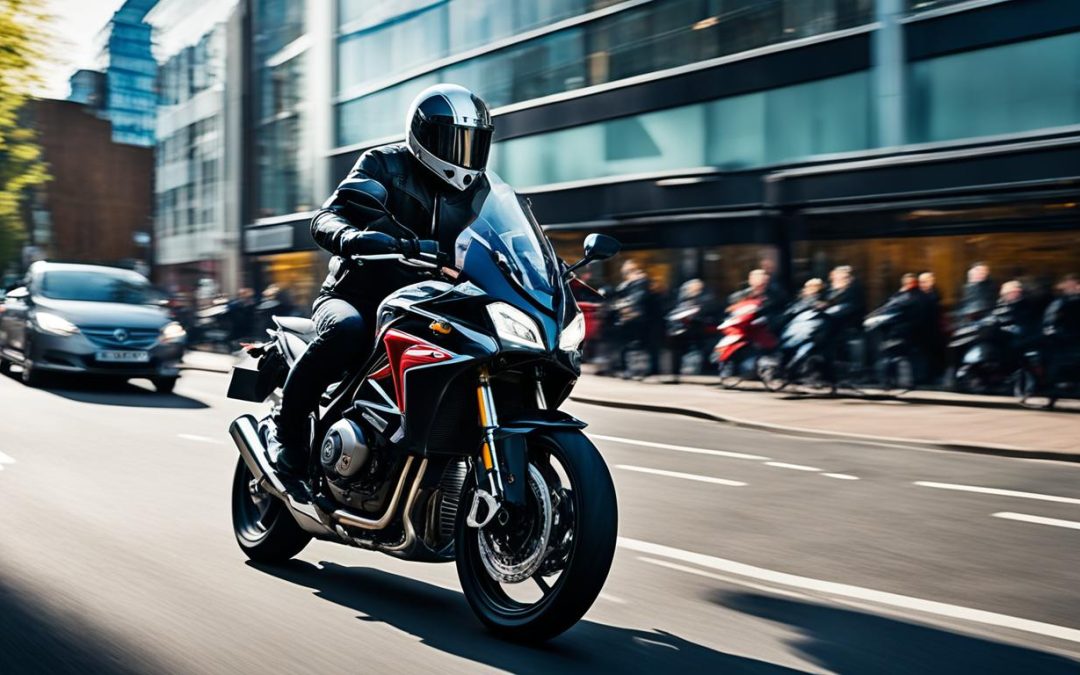
Commuting in London can be a nightmare for most people. Public transport is often unreliable, overcrowded and expensive. However, riding a motorcycle in London can be a fast, efficient and affordable solution. In this article, we will provide you with essential tips and advice for riding a motorcycle in North London, including discussions on the benefits of motorcycles and recommendations for the best motorcycles for commuting in the city.
Key Takeaways
- Understand the challenges of commuting in London and how motorcycles can be an efficient solution
- Learn essential tips for riding a motorcycle safely in North London, including staying visible, checking your blind spots, and navigating bus lanes and box junctions
- Explore the benefits of motorcycle training and licensing requirements to ensure you’re prepared for the road
- Discover the importance of protective gear and security measures to keep you and your motorcycle safe
- Familiarise yourself with the legal requirements and insurance options for motorcycle riders in the UK
Introduction
The busy and congested roads of London can pose significant challenges for motorcycle riders. Factors such as heavy traffic, unpredictable pedestrians, and variable road conditions can make navigating the city’s streets a daunting task, especially for new riders. It is crucial for riders to be aware of these challenges and take the necessary precautions to ensure their safety on the roads.
The Challenges of Commuting in London
Navigating the streets of London on a motorcycle can be a complex and demanding endeavour. The sheer volume of traffic, the unpredictable behaviour of pedestrians, and the varied road conditions can all contribute to a challenging riding environment, particularly for those new to the city. Riders must remain vigilant and proactive in order to safely traverse the urban landscape.
Why Motorcycles are an Efficient Solution
Motorcycles offer a compelling solution to the challenges of commuting in London. They are faster, more fuel-efficient and more affordable than other modes of transport. Additionally, many motorcycles are exempt from the Ultra-Low Emission Zone (ULEZ) charges, making them a cost-effective choice for riders. With their manoeuvrability and ability to filter through traffic, motorcycles can help riders avoid congestion and reach their destinations quickly and efficiently.
Essential Tips for Riding a Motorcycle in North London
Staying visible on a motorcycle in London is crucial. Wearing high-visibility clothing and using reflective tape can help other road users see you. It’s also essential to use your headlights and indicators to signal your intentions.
Shoulder Checks and Road Position
Keeping your head on a swivel and knowing what’s on either side of you is key in London when riding a motorcycle. With so many road users trying to get where they’re going in a constant rush, only relying on other people to be aware of you isn’t enough. Road positioning is also crucial – making sure you’re in people’s mirrors when you’re behind or, when it’s safe, filtering to the front of traffic helps keep you safe on the road.
Knowing your Bus Lanes
London has many bus lanes, and it’s essential for motorcycle riders to know which ones they can use. Some bus lanes are open to all traffic, while others are restricted to motorcycles. Always keep an eye out for the signage along bus lanes as the cameras will catch you if you go into a bus lane you’re not supposed to be in.
Uber Passengers and Other Pedestrians
Pedestrians can be unpredictable in London, and it’s essential for motorcycle riders to stay alert for people looking to cross the street or getting out of vehicles. Staying visible and keeping a safe distance from other road users can help you avoid accidents.
Box Junctions
Box junctions can be tricky to navigate on a motorcycle, especially in stop-start traffic. Ride defensively, hold your road position, and don’t let cars bully you into pulling away or going for a light when you don’t have time or space.
Slippery Paint
London’s roads are covered in a variety of different markings, and the paint can become slippery in wet conditions. It’s essential for motorcycle riders to take extra care when riding in wet weather and avoid sudden movements.
Navigating North London’s Streets
Careful route planning is crucial for motorcycle riders in North London. We must avoid congested areas and utilise navigation apps to find the most efficient and safest routes to our destination.
Planning Your Route
Identifying and avoiding heavily congested areas can help motorcycle riders save time and reduce the risk of accidents. By staying up-to-date with real-time traffic information and adjusting our route accordingly, we can navigate North London’s streets more safely and efficiently.
Avoiding Congested Areas
Staying informed about the latest traffic conditions is essential for motorcycle riders in North London. By monitoring real-time updates and adjusting our route as needed, we can bypass heavily congested areas and reach our destination more quickly and safely.
Utilising Navigation Apps
Navigation apps can be invaluable tools for motorcycle riders in North London. They can provide real-time traffic updates, suggest alternative routes, and help us avoid congestion and other hazards. Regularly checking our navigation app can help us stay informed and make informed decisions about our route.
Motorcycle Training and Licensing Requirements
In order to ride a motorcycle or scooter of any type in the UK, you must first obtain a provisional licence and complete a Compulsory Basic Training (CBT) course. The CBT course covers essential skills and knowledge, including road positioning, traffic signs, and correct behaviour at junctions and roundabouts.
Compulsory Basic Training (CBT)
The CBT course is a practical training session that teaches new riders the basic skills and knowledge required to ride a motorcycle or scooter safely on UK roads. Upon successful completion of the CBT, riders will be issued a certificate that allows them to ride a motorcycle or scooter with L-plates for a limited period before taking their full motorcycle test.
Theory and Practical Tests
After completing the CBT, you will need to pass a theory test and a practical riding test to obtain a full motorcycle licence. The theory test covers the Highway Code and hazard perception, while the practical test evaluates your riding skills and road knowledge.
License Categories
There are several licence categories in the UK, covering different types of motorcycles and the age of the rider. It’s important to understand the requirements for the type of motorcycle you wish to ride and ensure you have the appropriate licence. This will ensure you are legally authorised to ride your desired motorcycle or scooter on UK roads.

Protective Gear and Safety Equipment
Protecting yourself while riding a motorcycle in North London is of utmost importance. Ensuring you have the proper safety equipment can make all the difference in the event of an accident.
Helmet Requirements
By law, all motorcycle riders in the UK must wear a helmet while riding. The SHARP (Safety Helmet Assessment and Rating Programme) rating system can help you choose a helmet that fits correctly and offers the best possible protection. Look for a helmet with a high SHARP rating to maximise your safety on the road.
Recommended Protective Clothing
While helmets are the only mandatory protective equipment, we strongly advise motorcycle riders in North London to wear additional appropriate clothing to enhance their safety. This includes sturdy trousers, jackets, gloves and boots. These garments can help protect you from abrasions, impact and the elements, reducing the risk of injury in the event of a collision or fall.
Motorcycle Parking and Storage
Parking in London can be a challenge, but we motorcycle riders have the advantage of being exempt from the Ultra-Low Emission Zone (ULEZ) charges. It’s essential to check the parking restrictions at your destination before setting off and always park in a well-lit area.
Finding Secure Parking
When searching for a place to park your motorcycle in North London, prioritise secure and well-monitored locations. Look for designated motorcycle bays, as these will provide the added protection of being surrounded by other riders’ bikes. If possible, opt for parking garages or secure parking lots, as they often have CCTV surveillance and security personnel to deter thieves.
Motorcycle Security Devices
Motorcycle theft is a significant concern in London, and it’s crucial to take measures to secure your bike. Using a high-quality chain and padlock, as well as an alarmed disc lock, can help deter thieves and keep your motorcycle safe. We also recommend installing a GPS tracking device, which can assist in the recovery of your bike if it is stolen.

Motorcycle Insurance and Legal Requirements
Riding a motorcycle in the UK requires compliance with various legal requirements, including obtaining appropriate insurance coverage. It’s important for us to research and understand the insurance options available to ensure we are properly protected while on the road.
In the UK, it is mandatory for all motorcycle riders to have at least third-party liability insurance. This type of insurance covers any damage or injury caused to other people or their property in the event of an accident. However, for comprehensive protection, we highly recommend considering additional coverage options such as theft, accidental damage, and personal injury protection.
| Insurance Type | Coverage Provided |
|---|---|
| Third-Party Liability | Covers damage or injury caused to other people or their property |
| Comprehensive | Provides coverage for theft, accidental damage, and personal injury |
| Breakdown | Assists with roadside repairs and recovery in the event of a breakdown |
In addition to insurance, there are other legal requirements for riding a motorcycle in the UK. These include ensuring that our motorcycle is properly registered, taxed, and has a valid MOT (Ministry of Transport) certificate. Failure to comply with these regulations can result in fines and other penalties.
“Riding a motorcycle in the UK is a privilege that comes with important legal responsibilities. By understanding and adhering to the insurance and regulatory requirements, we can enjoy the freedom and convenience of our motorcycles while prioritising our safety and the safety of others on the road.”
Conclusion
Navigating the streets of North London on a motorcycle can be a challenging yet rewarding experience. By following the essential tips and advice provided in this article, we as new motorcycle riders can safely and efficiently traverse the busy roads of this vibrant area, optimising our riding experience and taking advantage of the benefits that motorcycles offer for commuting in London.
From staying visible and aware of our surroundings to utilising navigation apps and securing our bikes, we have explored the various aspects of riding a motorcycle in North London. By equipping ourselves with the necessary knowledge, skills and safety measures, we can confidently tackle the city’s roads, saving time, money and reducing our environmental impact.
As we embrace the freedom and convenience of motorcycle riding in North London, let us remain vigilant, adaptable and respectful of other road users. With the right preparation and a commitment to safe riding practices, we can truly make the most of this efficient and rewarding mode of transport, navigating the vibrant streets of North London with ease and confidence.